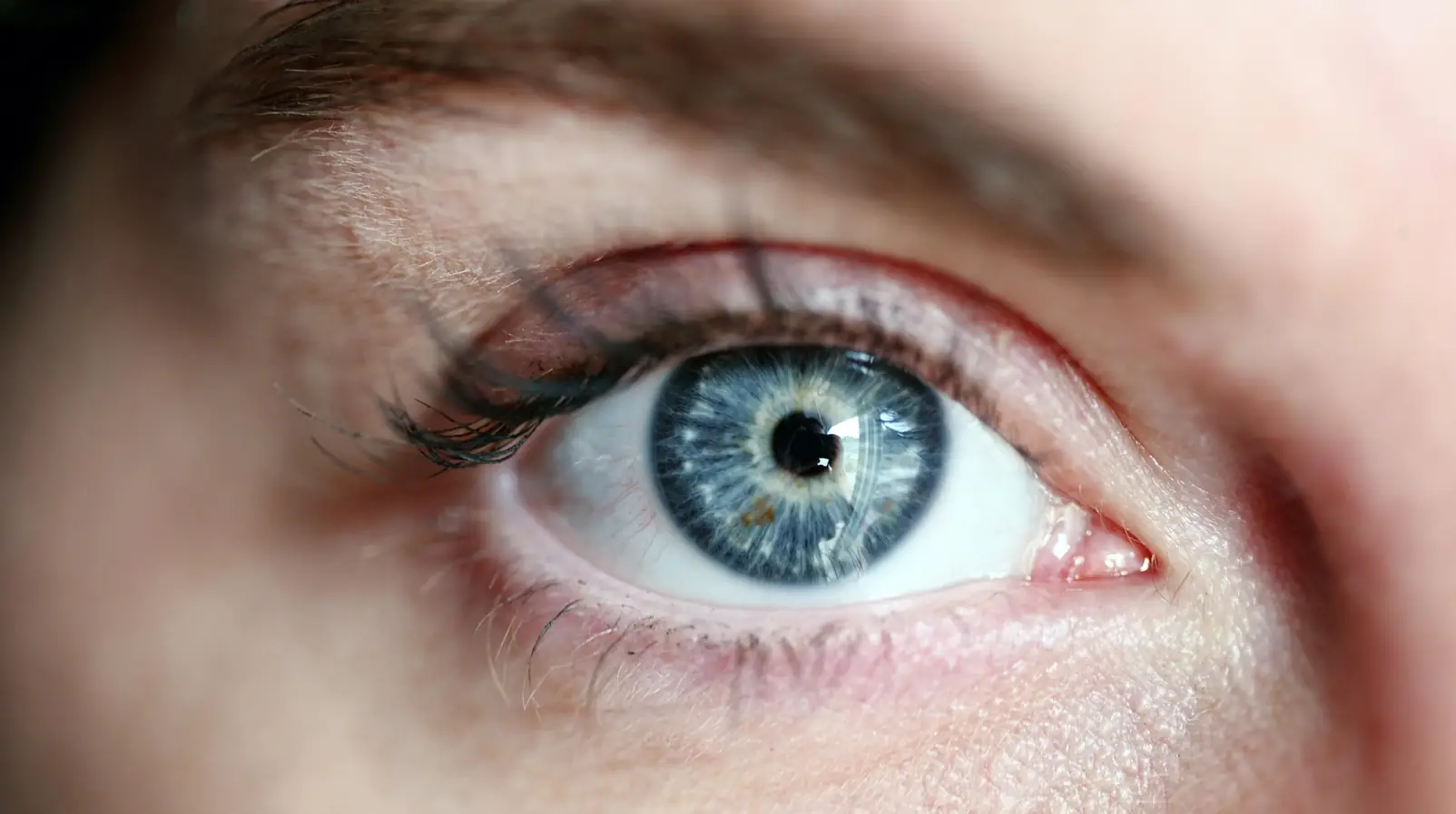
14 Sep Red, irritated eyes for months, chronic blepharitis may be the cause
Chronic blepharitis inflames the eyelid margin and sustains dry eye. Symptoms, daily eyelid hygiene and treatment options at a Geneva practice....



Chronic blepharitis inflames the eyelid margin and sustains dry eye. Symptoms, daily eyelid hygiene and treatment options at a Geneva practice....
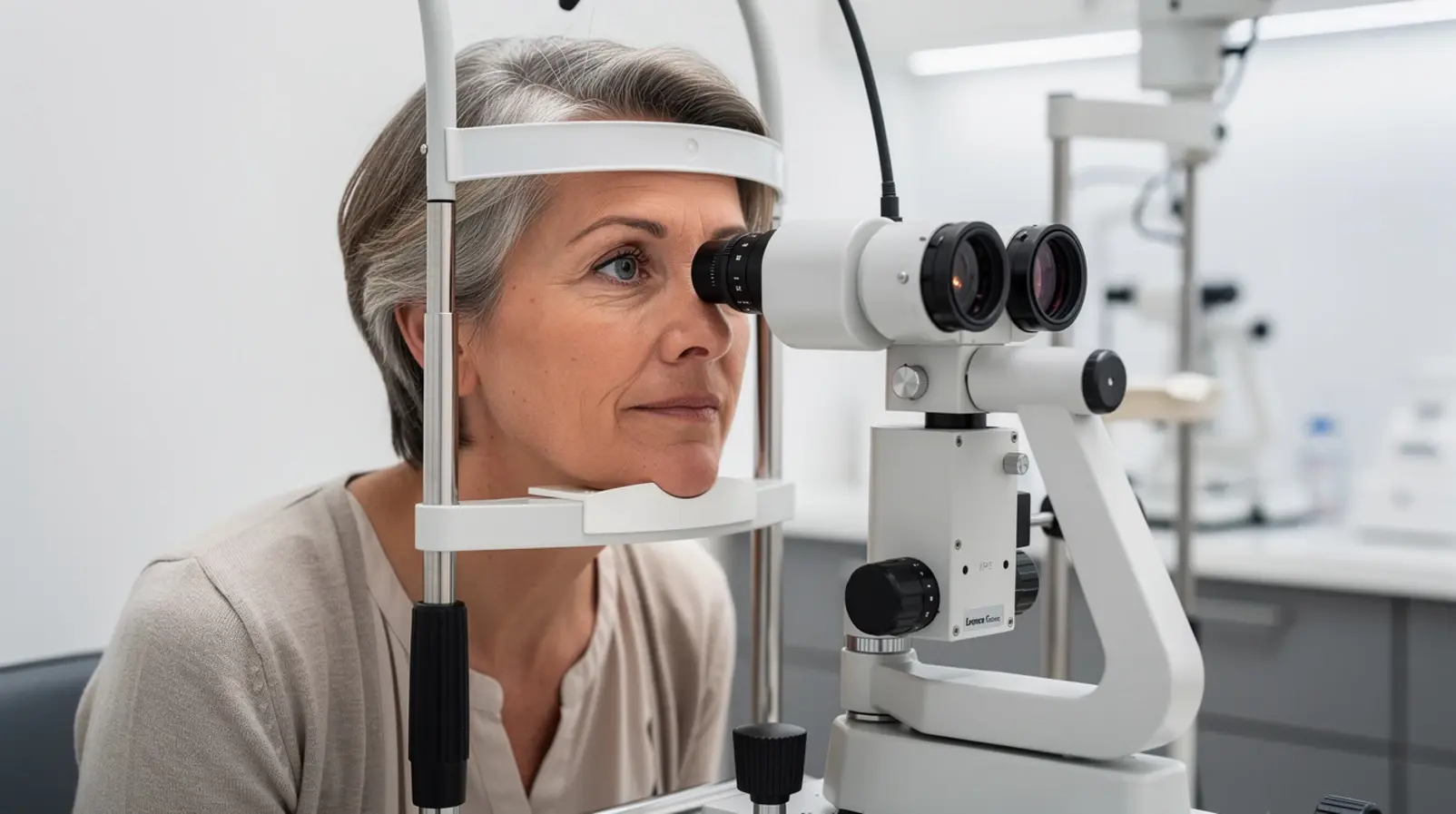
If you are considering eyelid surgery and wondering what it will actually cost — and, more importantly, what your health insurance may cover — you are not alone. In Geneva, the price of blepharoplasty varies depending on the area treated, the complexity of the procedure, and the facility chosen....
On TikTok and Instagram, before-and-after videos promoting salmon DNA as a cure for dark circles have racked up millions of views. Presented as a treatment to rejuvenate the eye area, these injections are attracting growing curiosity from patients who come to the clinic wanting to know more. Behind this catchy marketing name lies what are actually polynucleotides (PDRN) — DNA fragments extracted from trout or salmon sperm, used in skin biorevitalisation. But how effective are they really on the particularly delicate under-eye area? As an oculoplastic surgeon, I offer a rigorous analysis of this trend: its actual mechanism of action, its level of scientific evidence, and its place among established dark circle treatments. What Salmon DNA Injections Really Are The term "salmon DNA" is an effective marketing shorthand, but it is medically imprecise. The injected product actually consists of polynucleotides (PDRN) — purified DNA fragments derived from the gonads of salmon or trout. These molecules are highly filtered and stripped of any animal proteins that could trigger an allergic reaction. One point deserves clarification, as it sometimes concerns patients: these injections do not alter your human DNA in any way. Polynucleotides act locally within the dermis and do not interact with the genetic...

Article summary You have noticed over the past few months that one of your eyelids appears lower than the other. People around you say you look tired, even first thing in the morning. Without thinking, you tilt your chin upward to see the screen or the road more clearly. This subtle discomfort may not simply be fatigue, but a drooping eyelid — known medically as ptosis — meaning an abnormal lowering of the upper eyelid. Distinguishing a true eyelid droop from passing tiredness makes all the difference, as certain forms require prompt ophthalmological assessment. This article guides you through recognising the signs, understanding the causes and knowing when to seek advice. Ptosis or eye fatigue: how to tell the difference The distinction rests on one straightforward criterion. Eye fatigue eases after a good night's sleep, a screen break or a few minutes with your eyes closed. Ptosis, on the other hand, persists at rest. If your eyelid remains low in the morning, after a nap or following a quiet day, the possibility of a true eyelid droop becomes a serious consideration. An anatomical reference point helps to objectify the situation. According to the recommendations of the American Academy of Ophthalmology, an asymmetry greater than...
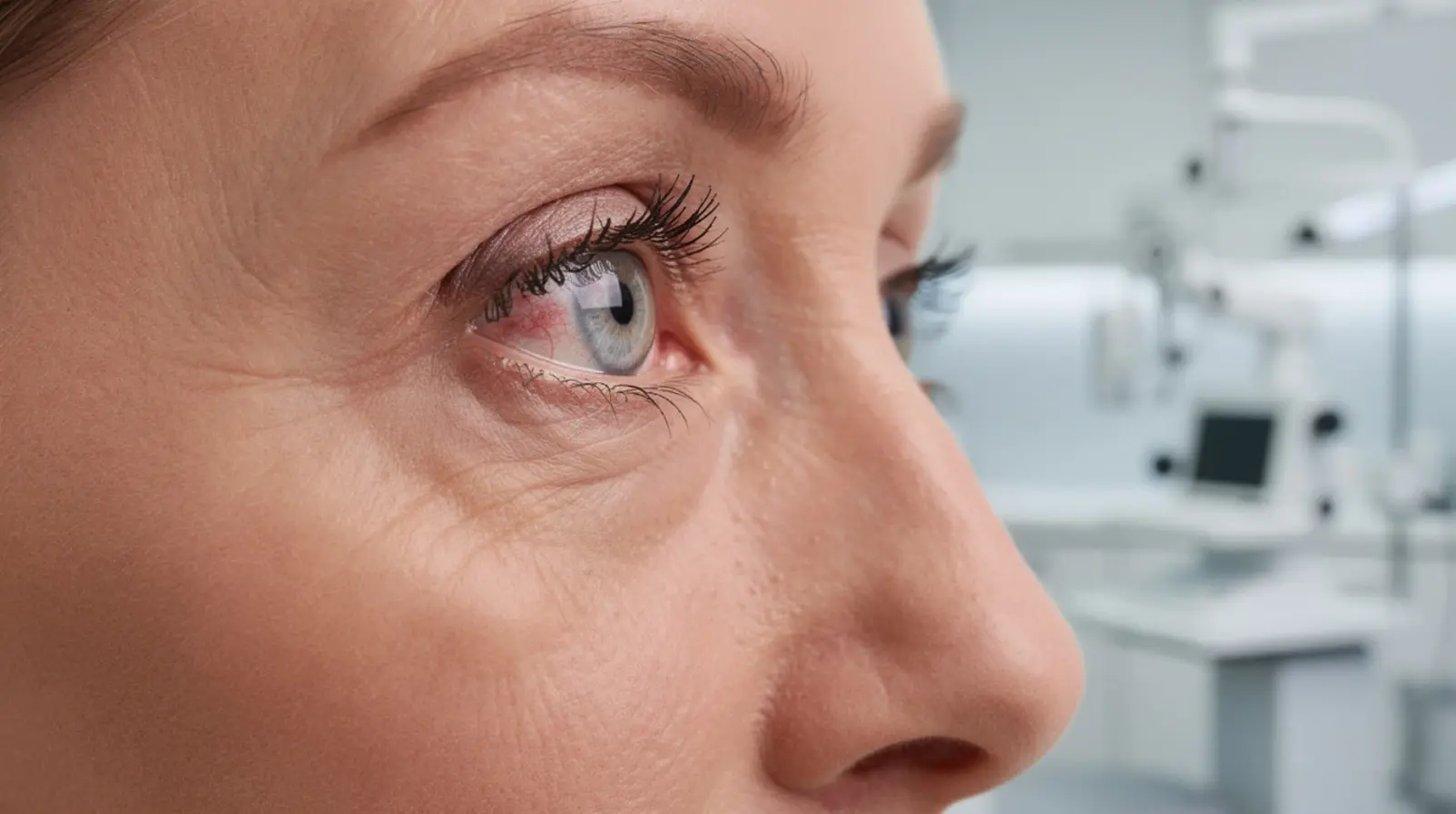
You apply artificial tears several times a day, you switch brands, you try gels — and yet your eyes remain irritated, burning, and tired. This frustration is shared by many patients....

Eye strain, glare, blurred vision… What if the blue light from your screens caused more than just discomfort? More and more research is questioning its role in lens aging and the development of cataracts. Myth or real risk after age 50?...

Disappointing result after blepharoplasty? Visible scar, asymmetrical eye, or overly tight eyelid: learn how to distinguish normal concern from true complications that need correction....
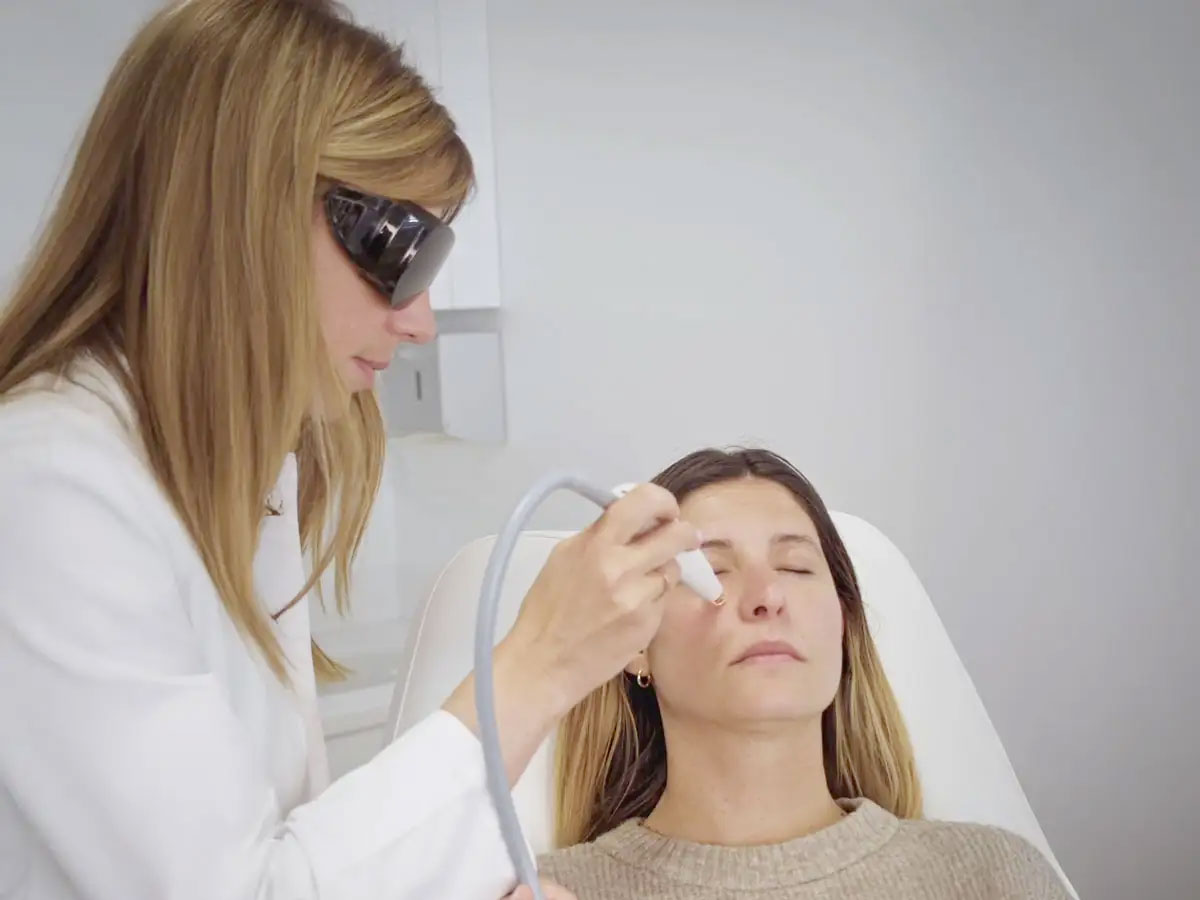
Dry eyes, blurred vision at the end of the day, discomfort in front of a screen...

Eye strain, blurred vision, dry eyes… Photobiomodulation could be a real game changer. Using targeted LED light, this technology stimulates retinal cells to restore their energy, reduce inflammation, and slow down visual aging. Already used in clinics, it’s drawing attention for its promising results. Should we believe the hype? Let’s take a closer look....
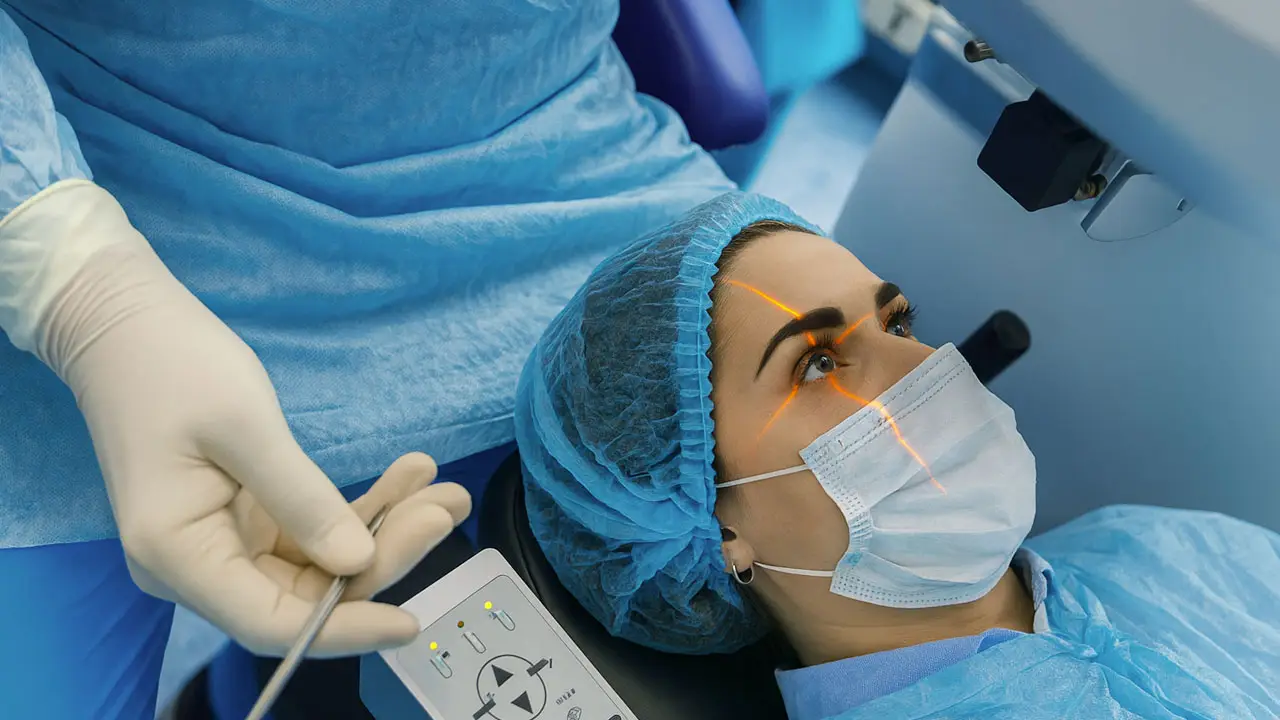
Contrary to popular belief, refractive surgery is still possible after 60, BUT beware: LASIK and PRK become risky! Intraocular implants are booming in popularity. Discover why 70% of seniors now choose lens replacement over traditional laser surgery....